1. Understanding Astaxanthin
1.1 What is Astaxanthin?
Astaxanthin is a red carotenoid pigment found in various microorganisms, including marine algae, yeasts, salmon, and shrimp. It's a powerful antioxidant, recognized for its vibrant red color, which is notably visible in the shells of shrimp and the flesh of salmon. This compound is part of a class of antioxidants known for their ability to combat oxidative stress in biological systems. The unique molecular structure of astaxanthin allows it to neutralize free radicals effectively, supporting various aspects of health.
1.2 Benefits of Astaxanthin
The benefits of astaxanthin are vast, involving multiple bodily systems. Most notably, astaxanthin offers potent anti-inflammatory properties and can enhance physical endurance. Research has shown that it may protect skin from UV radiation, reduce signs of aging, and improve skin elasticity. Potential cardiovascular benefits include lowering blood pressure and improving cholesterol levels. Furthermore, astaxanthin is being studied for its potential neuroprotective effects that may aid cognitive function and memory retention.
1.3 How Does Astaxanthin Work?
Astaxanthin's mechanism of action is primarily centered on its antioxidant capabilities. By scavenging free radicals, it can reduce oxidative damage to tissues. It also helps in regenerating other antioxidants like vitamin C and vitamin E, thus amplifying their effectiveness. Moreover, it modulates various signaling pathways involved in inflammation and immune response, supporting overall health resilience. Its lipophilic nature means it can integrate into cellular membranes, providing cellular protection from oxidative stress at a foundational level.
2. Recommended Dosage Guidelines
2.1 General Daily Dosage
For general health maintenance, a daily dosage of astaxanthin typically ranges from 4 to 12 mg. This range is supported by various studies indicating its efficacy without adverse effects. Many supplements provide astaxanthin in these amounts, reflecting both safety and effectiveness. It's recommended to start at the lower end of this range and gradually increase as needed, depending on personal health goals and guidance from healthcare professionals.
2.2 Dosage for Specific Conditions
Astaxanthin dosage may vary based on specific health conditions. For instance, athletes seeking enhanced performance might take doses up to 20 mg per day to improve endurance and recovery. Studies also suggest higher doses for specific inflammatory or degenerative conditions, sometimes exceeding 12 mg daily, under healthcare supervision. Always consult with a healthcare provider to tailor these recommendations to individual health issues and needs, ensuring optimal benefits.
2.3 Consult a Healthcare Professional
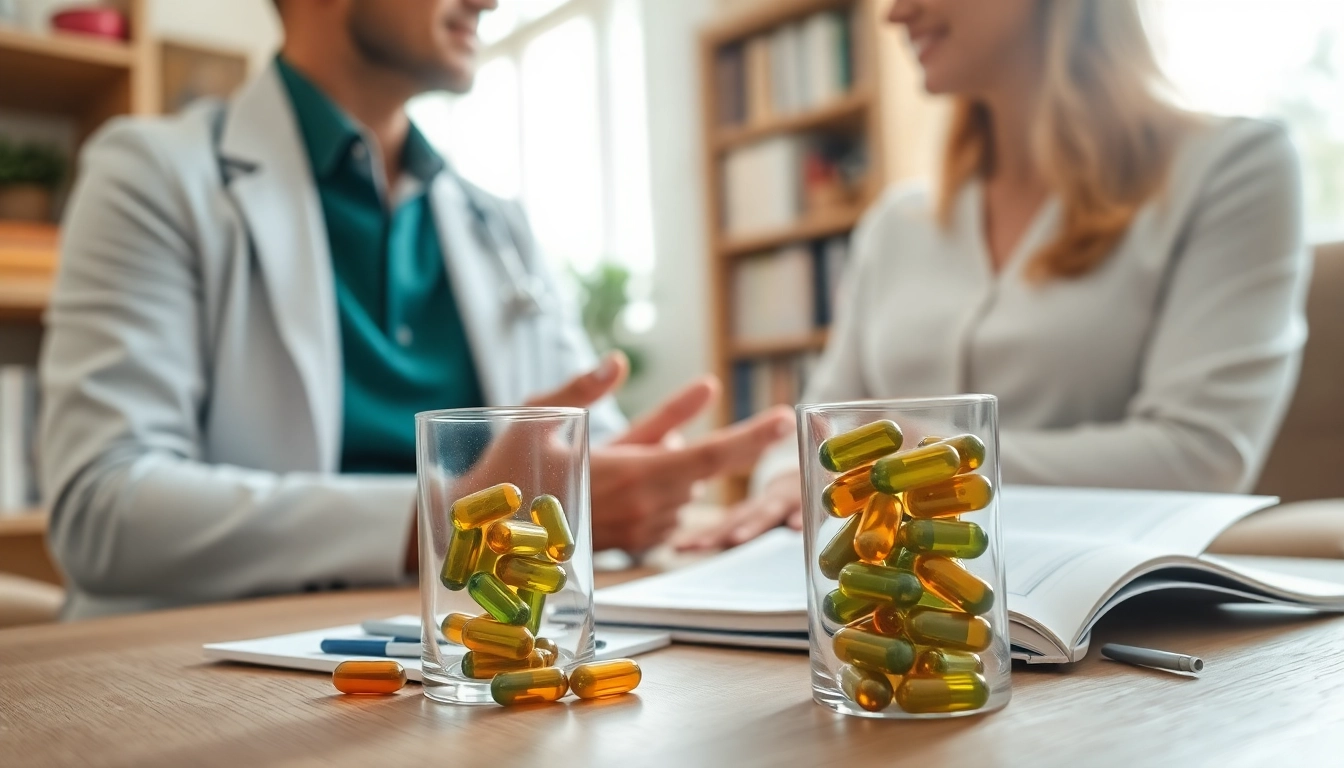
Before starting any new supplement regimen, including astaxanthin, it is crucial to consult with a healthcare professional. This step ensures that the dosage is appropriate based on individual health needs, potential interactions with medications, and existing medical conditions. Personalized guidance can maximize the benefits of astaxanthin and minimize any potential risks associated with excessive intake. For more information on astaxanthin dosing, refer to this detailed guide on can you take too much astaxanthin.
3. Potential Risks and Side Effects
3.1 Can You Overdose on Astaxanthin?
While astaxanthin is reputed for its safety profile, there is potential for overdose if taken beyond recommended amounts. No serious adverse events have been commonly reported, but excessive intake could lead to stomach discomfort, altered skin color (a harmless, temporary reddening), or hormonal changes. Understanding safety limits is vital to enjoying the benefits while avoiding complications, reinforcing the importance of adherence to recommended dosages.
3.2 Common Side Effects
Common side effects associated with astaxanthin supplementation are generally mild and can include gastrointestinal issues like diarrhea, stomach cramps, or changes in bowel habits. Some individuals may experience skin color changes upon high doses, although this is not dangerous. Monitoring your body’s responses can help mitigate side effects and facilitate a smoother experience when integrating astaxanthin into your daily routine.
3.3 Signs of Excessive Intake
Signs of excessive astaxanthin intake may manifest as slight discoloration of the skin or digestive issues such as an upset stomach or nausea. If high doses lead to any discomfort or unusual symptoms, it is advisable to reduce intake and consult a healthcare provider. Recognizing these early signs of potential overload enables individuals to adjust their dosages responsibly, aligning with health and wellness goals while avoiding negative effects.
4. Strategies for Safe Consumption
4.1 Incorporating Astaxanthin into Your Diet
Incorporating astaxanthin into your diet can be done through dietary sources or supplements. Natural sources include seafood like salmon and shrimp and certain algae. However, obtaining adequate amounts through diet alone can be challenging, hence supplementation is often recommended. When selecting supplements, opt for reputable brands that provide transparent ingredient lists and effective dosages to ensure quality and safety.
4.2 Monitoring Your Intake
Managing your astaxanthin intake is crucial for maximizing benefits and minimizing risks. Keeping a diary of supplementation and any side effects experienced can provide useful insights. Regularly reviewing your health status and discussing any changes with a healthcare professional will also guide appropriate adjustments. This monitoring approach fosters a more informed and tailored health strategy.
4.3 When to Seek Medical Advice
If you experience any adverse reactions or have pre-existing health conditions, it’s advisable to seek medical advice before starting astaxanthin or any new supplement. This is especially true for those pregnant or nursing, or for individuals taking prescription medications, as interactions may occur. Early consultation can help delineate risks and establish a safe and effective supplementation plan.
5. FAQs on Astaxanthin Usage
5.1 What is the safe limit for astaxanthin intake?
The safe limit for astaxanthin intake typically ranges from 4 to 12 mg per day for general health, though higher doses may be safe under medical supervision for specific conditions.
5.2 Can astaxanthin interact with medications?
Astaxanthin may interact with blood thinners and some medications for high blood pressure. Always consult a healthcare professional before combining it with other treatments.
5.3 Who should avoid taking astaxanthin?
Individuals with allergies to seafood should avoid astaxanthin supplements derived from marine sources. Pregnant or nursing women should also consult a doctor before use.
5.4 Are there benefits to taking high doses of astaxanthin?
While higher doses may enhance benefits for specific conditions, they should only be taken under professional guidance to prevent adverse effects and ensure safety.
5.5 How long should you take astaxanthin supplements?
The duration for taking astaxanthin supplements varies by individual health goals but typically ranges from a few weeks to several months, based on medical advice.