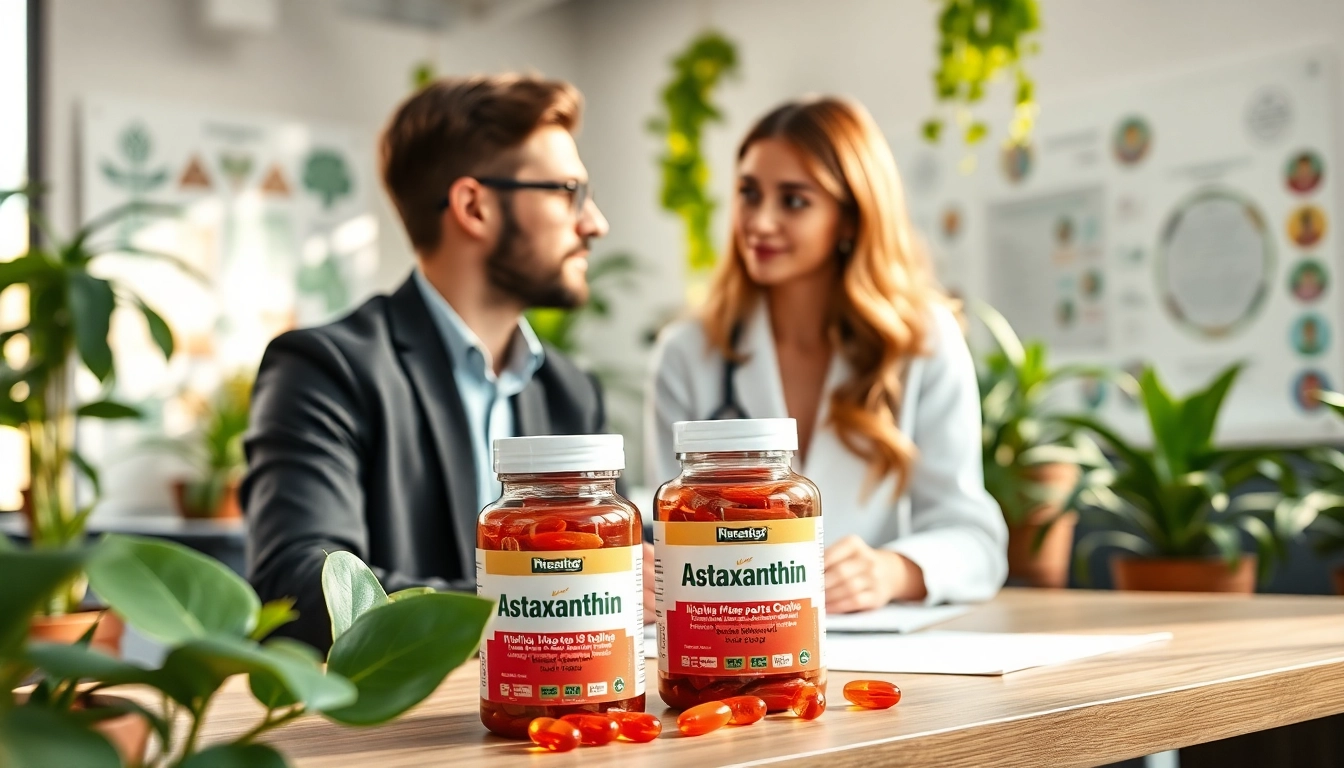
Understanding Astaxanthin
What Is Astaxanthin?
Astaxanthin is a powerful antioxidant belonging to the carotenoid family, notable for its vibrant red and orange pigments. This compound can be found in various nature sources, including microalgae, yeast, shrimp, salmon, and other marine organisms. Its ability to combat oxidative stress and inflammation has drawn significant interest among researchers and health enthusiasts. Astaxanthin is unique among antioxidants due to its robust molecular structure, which allows it to protect cellular membranes and improve overall health.
Health Benefits of Astaxanthin
The health benefits of astaxanthin are numerous and well-studied. Here are some key advantages:
- Skin Health: Astaxanthin helps reduce signs of aging, including fine lines and sun damage, by promoting skin elasticity and hydration.
- Eye Health: It supports visual performance and protects against UV damage, improving overall eye health and reducing the risk of developing age-related macular degeneration.
- Exercise Recovery: Many athletes use astaxanthin to reduce muscle soreness and inflammation, leading to improved recovery post-exercise.
- Heart Health: Astaxanthin may help lower cholesterol levels, reduce blood pressure, and improve circulation, contributing to a healthier cardiovascular system.
- Immune Support: Its antioxidant properties enhance immune function, helping the body fend off infections and diseases.
Sources of Astaxanthin
Astaxanthin is not produced by the human body, making it necessary to find it through dietary sources. Key sources include:
- Microalgae: The primary source of astaxanthin is the microalga Haematococcus pluvialis, which can contain up to 5% astaxanthin by weight.
- Seafood: Pink and red seafood like shrimp, crab, and salmon derives its coloration from astaxanthin.
- Supplements: Astaxanthin is widely available in supplement form, often derived from natural sources or synthesized.
Daily Dosage Guidelines
Recommended Daily Intake
To experience the beneficial effects of astaxanthin, following recommended daily dosage guidelines is essential. Various studies suggest that a daily intake ranging from 4 to 12 mg is effective for most individuals.
However, individual needs may vary based on factors like age, health conditions, and lifestyle choices. It’s advisable to consult a healthcare provider to establish the optimal dosage based on personal health objectives. Making informed choices is crucial for maximizing the benefits without excessive consumption.
Can You Take Too Much Astaxanthin?
While astaxanthin is generally considered safe, the question arises: can you take too much astaxanthin? Overconsumption can lead to unnecessary side effects, even if they are rare. The FDA has not set a specific upper limit for astaxanthin; however, exceeding recommended dosages can potentially lead to adverse effects. Thus, moderation and adherence to recommended guidelines are key.
Signs of Excessive Intake
Recognizing the signs of excessive astaxanthin consumption is vital to maintaining optimal health. Some common indicators include:
- Skin Discoloration: A noticeable reddening of the skin, particularly in areas with more blood vessels, can occur.
- Digestive Issues: Nausea or gastrointestinal discomfort may manifest from high doses.
- Fatigue: Unusual tiredness or lethargy may arise when the body struggles to process excessive amounts.
If any of these signs occur, it’s advisable to reduce intake and consult with a healthcare professional.
Potential Risks and Side Effects
Short-term Effects of Overconsumption
In the short term, overconsumption of astaxanthin can lead to mild side effects that vary among individuals. Common effects include:
- Gastrointestinal disturbances, such as diarrhea or bloating.
- Skin changes, including increased pigmentation or irritation.
- Headaches or migraines in some sensitive individuals.
Most individuals tolerate astaxanthin well, but it’s essential to monitor one’s response when introducing or altering dosage levels.
Long-term Health Implications
The long-term implications of excessive astaxanthin intake remain unclear due to limited evidence from extensive studies. Potential concerns may include:
- Hypercarotenemia—a condition characterized by an excess of carotenoids in the body, potentially leading to skin discoloration.
- *Over-suppression of immune function* at high concentrations, hindering the body’s ability to fend off infections.
Regular assessment of health status through a healthcare professional can help mitigate risks.
Who Should Avoid High Doses?
Certain individuals should practice caution or avoid high doses of astaxanthin altogether, including:
- Pregnant or breastfeeding women, due to insufficient safety data.
- Individuals with allergies to seafood should avoid astaxanthin derived from marine sources.
- People undergoing medication that may interact with antioxidants.
Consulting a healthcare professional before starting any supplementation can provide valuable guidance.
Consultation and Personalization
Importance of Professional Guidance
Due to the variability in individual health and lifestyle factors, professional guidance is essential when considering astaxanthin supplementation. A healthcare provider can assess personal health conditions, medications, and dietary habits, tailoring dosages to ensure maximum benefits while minimizing possible risks.
Personalized Dosage Factors
Multiple factors influence the ideal dosage of astaxanthin for an individual. These include:
- Age: Older adults may have different needs compared to younger adults due to varying metabolic rates.
- Health Conditions: Underlying health issues may require adjustments in dosage to avoid interactions.
- Activity Level: Athletes or active individuals might benefit from higher doses for recovery and performance enhancement.
Personalized guidance ensures that individuals receive the appropriate levels needed to support their health goals without risking adverse effects.
Monitoring Your Health Response
Tracking one’s response to astaxanthin supplementation is crucial for determining its effectiveness and safety. It is advisable to:
- Keep a health journal noting any changes—both positive and negative—in physical and mental well-being.
- Schedule regular check-ups with a healthcare provider to monitor health progress and make necessary adjustments.
- Be alert to any symptoms that may indicate excessive intake or side effects.
Proactive monitoring informs future health choices and fosters a positive experience with supplementation.
Conclusion and Best Practices
Maintaining Optimal Intake
Astaxanthin may offer a range of health benefits, making it a valuable addition to dietary supplementation. However, achieving optimal intake requires attention to dosage and individual responses. Adhering to recommended dosages, monitoring health effects, and consulting with healthcare providers contribute significantly to safe usage.
Overall Health Tips
In addition to astaxanthin supplementation, focusing on overall health is essential. Regular physical activity, a balanced diet rich in fruits and vegetables, proper hydration, and sufficient sleep all contribute to optimal well-being.
When to Seek Medical Advice
If you experience any concerning symptoms whilst taking astaxanthin or have underlying health conditions that may be affected, it is vital to consult a healthcare professional. Early intervention can prevent complications and ensure a tailored approach to health management.
Frequently Asked Questions
1. What amounts of astaxanthin are generally safe to take?
The commonly recommended dosage ranges from 4 to 12 mg daily for most individuals. Personal factors may influence these recommendations.
2. Can astaxanthin cause skin discoloration?
In rare cases, excessive intake may lead to skin discoloration, a condition known as hypercarotenemia, causing a yellowish tint to the skin.
3. Is astaxanthin safe for pregnant women?
Due to insufficient research on its effects during pregnancy, it's advised that pregnant women consult a healthcare provider before use.
4. Does astaxanthin interact with medications?
Astaxanthin may interact with certain medications, particularly those affecting the immune system; consulting a healthcare provider is recommended.
5. What foods are high in astaxanthin?
Astaxanthin is abundant in seafood like salmon, shrimp, and crab, as well as in some microalgae used in supplements.