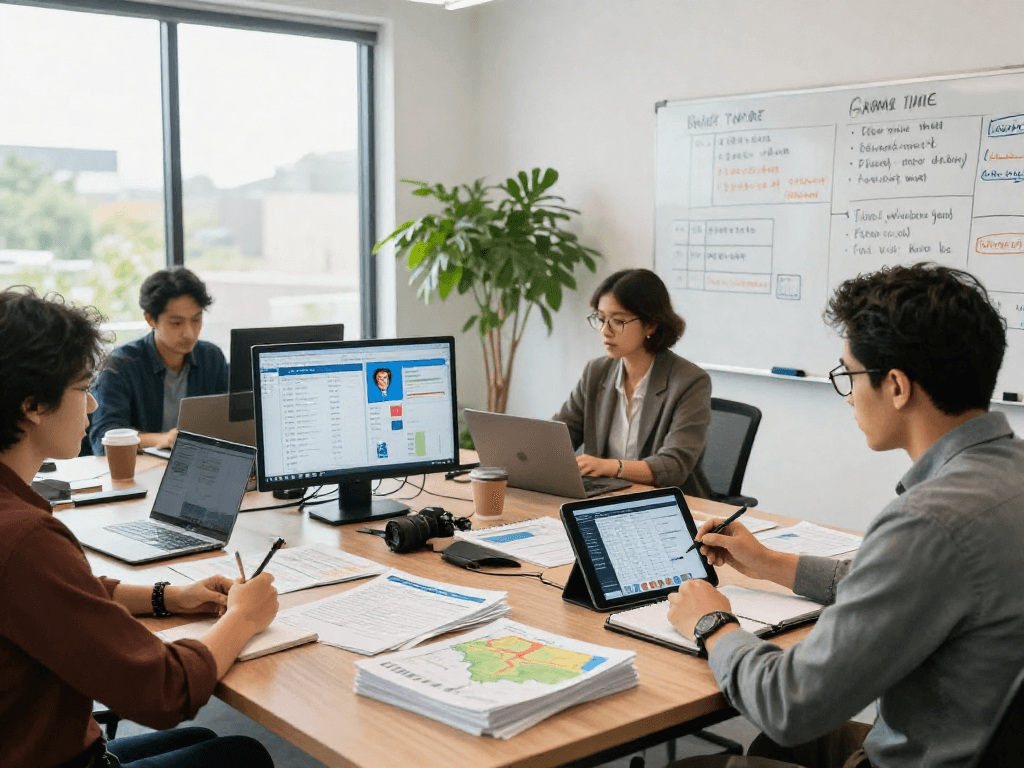
Understanding the Importance of Team Collaboration
In today’s fast-paced business environment, effective team collaboration is more critical than ever. Organizations that prioritize collaboration tend to experience increased productivity, enhanced creativity, and improved employee morale. However, to effectively harness the power of collaboration, businesses must navigate various challenges and implement strategic approaches. As you delve into optimizing team dynamics, see more details on how you can foster a collaborative environment tailored to the unique needs of your workforce.
What Does Collaboration Mean in a Modern Workplace?
Collaboration in the modern workplace goes beyond mere teamwork; it involves creating a cohesive environment where diverse talents align towards common goals. It encompasses communication, mutual respect, and the ability to leverage each team member's strengths. Effective collaboration fosters innovation, as diverse perspectives contribute to creative solutions.
Common Challenges in Team Collaboration
While collaboration can lead to remarkable outcomes, it also presents significant challenges. Some common hurdles include:
- Communication Barriers: Misunderstandings can arise due to varying communication styles.
- Conflicting Priorities: Team members may have different objectives, leading to conflicts.
- Cultural Differences: Diverse teams may experience challenges due to varying cultural norms and expectations.
- Resistance to Change: Some employees may resist new collaborative tools or practices.
Benefits of Effective Collaboration in Business
When collaboration is executed effectively, businesses stand to gain numerous advantages, including:
- Increased Efficiency: Streamlined communication reduces the time needed to resolve issues.
- Enhanced Creativity: Collaboration encourages brainstorming, leading to innovative ideas.
- Improved Employee Satisfaction: A collaborative work environment fosters a sense of belonging.
- Better Problem Solving: Combined expertise allows teams to tackle complex challenges more effectively.
Key Strategies for Enhancing Team Collaboration
Best Practices for Effective Communication
Effective communication is the backbone of successful collaboration. Implementing best practices can significantly improve team dynamics:
- Regular Check-Ins: Schedule regular updates to ensure everyone is aligned and engaged.
- Utilize Clear Language: Avoid jargon and ensure clarity in communication.
- Encourage Open Dialogue: Foster an environment where team members feel comfortable sharing their thoughts and feedback.
Tools and Technologies That Facilitate Teamwork
The right tools can enhance collaboration significantly. Consider integrating the following technologies into your workflow:
- Project Management Software: Tools like Asana and Trello help track progress and assign tasks.
- Communication Platforms: Utilize applications like Slack or Microsoft Teams for seamless communication.
- Video Conferencing Tools: Zoom and Google Meet facilitate face-to-face interactions, especially for remote teams.
Creating a Collaborative Company Culture
A collaborative culture should be nurtured from the top down. Leaders must exemplify collaborative behavior and promote a shared vision. Here are some strategies:
- Recognize Team Efforts: Celebrate team successes to cultivate a spirit of collaboration.
- Encourage Diverse Teams: Form teams with varied backgrounds and skills to enhance creativity.
- Provide Training: Offer workshops focused on teamwork and communication skills.
Real-World Examples of Successful Collaboration
Case Study: Innovative Companies Excelling in Teamwork
Several organizations have successfully implemented collaborative strategies to achieve remarkable results:
- Google: Known for its open workspaces and collaboration tools, Google encourages spontaneous brainstorming and innovation.
- Amazon: The company utilizes cross-functional teams that work together seamlessly on projects, enhancing efficiency.
Lessons Learned from Collaborative Failures
Not all collaboration efforts succeed; learning from failures can provide valuable insights:
- Blockbuster: The company struggled with collaboration in decision-making, leading to missed opportunities in the digital space.
- Yahoo: A failure to foster a collaborative culture contributed to its decline in relevance and market share.
Success Metrics for Team-Based Projects
To gauge the success of team collaboration, organizations can employ various metrics:
- Employee Engagement Scores: High engagement typically correlates with effective collaboration.
- Project Completion Rates: Monitoring if projects are completed on time and within scope.
- Feedback Surveys: Solicit input from team members about the collaboration process and its effectiveness.
Future Trends in Team Collaboration for 2026
Emerging Technologies Reshaping Teamwork
As we look toward 2026, several trends are poised to transform team collaboration:
- AI-Driven Collaboration Tools: Artificial intelligence will facilitate enhanced communication and project management.
- Virtual Reality (VR) Collaboration: VR can create immersive meeting environments, bridging geographical gaps.
- Blockchain for Transparent Collaboration: Ensuring data integrity in collaborative projects.
Remote Collaboration: Strategies for a Hybrid Workforce
The rise of remote work necessitates new strategies for collaboration:
- Flexible Work Hours: Allow team members to work during hours that suit them best while ensuring overlap for collaboration.
- Regular Team Building Activities: Organize virtual team-building exercises to promote camaraderie.
Predicting the Next Big Thing in Collaboration Tools
As collaboration technology evolves, we can expect innovations that focus on:
- Integration of Multiple Tools: Seamless integration of various platforms for an all-in-one solution.
- Enhanced Security Measures: Focus on data privacy and security to protect sensitive information.
- User-Friendly Interfaces: Intuitive designs that enhance user experience and engagement.
Getting Started: Implementation Steps
How to Assess Your Current Collaboration Practices
Organizations should begin with a thorough assessment of their existing collaboration practices. Some steps include:
- Conduct Surveys: Gather feedback from employees on their collaboration experiences.
- Analyze Project Outcomes: Review past projects for insights into collaboration effectiveness.
Step-by-Step Plan for Improvement
To implement effective collaboration strategies, consider following these steps:
- Identify collaboration gaps within teams.
- Define clear goals for collaboration improvement.
- Select appropriate tools and practices to enhance collaboration.
- Provide training and resources for team members.
- Monitor progress and adjust strategies as needed.
Measuring Success: Key Performance Indicators
To evaluate the success of your collaboration initiatives, track these key performance indicators:
- Collaboration Frequency: Monitor how often team members interact and share ideas.
- Quality of Output: Assess the quality of projects completed through collaborative efforts.
- Employee Satisfaction Levels: Regularly check employee satisfaction to determine the impact of collaboration practices.
What Are the Best Tools for Team Collaboration?
The best tools for enhancing team collaboration will vary based on organizational needs but typically include software for project management, communication, and file sharing. Examples include:
- Slack: For real-time communication and collaboration.
- Trello: To manage projects and tasks visually.
- Google Drive: For document sharing and collaboration.
How Can Remote Teams Collaborate Effectively?
Effective remote collaboration requires intentional strategies such as:
- Establishing Clear Communication Channels: Ensure all team members know how to reach each other.
- Setting Regular Team Meetings: Schedule consistent check-ins to maintain team cohesion.
What Common Pitfalls Should Teams Avoid?
Common pitfalls to steer clear of include:
- Neglecting Team Dynamics: Ignoring the interpersonal relationships within teams can lead to disengagement.
- Overcomplicating Processes: Simplifying collaborative processes can enhance efficiency.
How Important Is Company Culture for Collaboration?
Company culture is crucial for fostering collaboration. A positive, open culture encourages team members to share ideas and collaborate effectively. Cultivating a culture that values collaboration can lead to better engagement, creativity, and overall performance within teams.
What Are Emerging Trends in Team Collaboration Technologies?
Emerging trends in collaboration technologies indicate a movement towards:
- Unified Communication Platforms: Tools that combine various communication methods into one accessible platform.
- AI-Powered Analytics: AI tools that help analyze collaboration effectiveness and suggest improvements.