Understanding the Benefits of Mini Split 18000 BTU Systems
In today's world of diverse climate control options, mini split systems have become a popular choice for homeowners seeking efficient heating and cooling solutions. Specifically, the mini split 18000 btu units are highly regarded for their versatility and ability to maintain comfortable indoor environments, regardless of the weather outside. This article delves into the various advantages these systems offer, examining their features, efficiencies, and the vital considerations for installation and maintenance.
Why Choose a Mini Split System for Your Home?
Mini split systems are an ideal option for homeowners looking to enhance their indoor climate control without the need for extensive ductwork. These systems consist of an outdoor unit connected to one or more indoor units, allowing for targeted cooling and heating in specific rooms. Here are some compelling reasons to consider mini split systems:
- Flexible Installation: With the ability to install indoor units in various locations, mini splits provide flexibility in design without the constraints of traditional ducted systems.
- Individual Room Control: Homeowners can adjust the temperature in each room separately, leading to higher comfort levels.
- Energy Efficiency: Mini split systems generally operate more efficiently than traditional HVAC units, resulting in lower energy bills.
Key Features of 18000 BTU Models
The 18000 BTU mini split units boast several key features that make them stand out in the market:
- High Capacity: These models are capable of efficiently cooling or heating medium to large spaces, making them suitable for living rooms, larger bedrooms, or open family areas up to approximately 1,000 square feet.
- Inverter Technology: Many modern units come equipped with inverter technology that adjusts the compressor speed based on the room’s temperature needs, enhancing efficiency and reducing energy consumption.
- Quiet Operation: Mini split systems are designed to run quietly, providing comfortable indoor conditions without the distracting noise associated with traditional units.
Energy Efficiency and Cost Savings Over Time
The energy efficiency of 18000 BTU mini split systems is one of their most significant selling points. They typically have higher SEER (Seasonal Energy Efficiency Ratio) ratings compared to conventional air conditioning units. As a result, homeowners can experience considerable savings over time:
- Lower Utility Bills: Thanks to their efficient operation, homeowners can expect to see a reduction in their monthly utility bills, particularly during peak cooling or heating seasons.
- Tax Incentives: Energy-efficient models may qualify for federal or state tax incentives, further easing the financial burden of installation costs.
- Long-Term Durability: With proper maintenance, mini split systems can last for many years, making them a wise long-term investment.
Installation Considerations for Mini Split Systems
Before purchasing and installing a mini split system, it’s essential to consider several factors to ensure optimal performance and efficiency:
Choosing the Right Location for Installation
Placement of both indoor and outdoor units is crucial for maximizing performance. Here are some tips to consider:
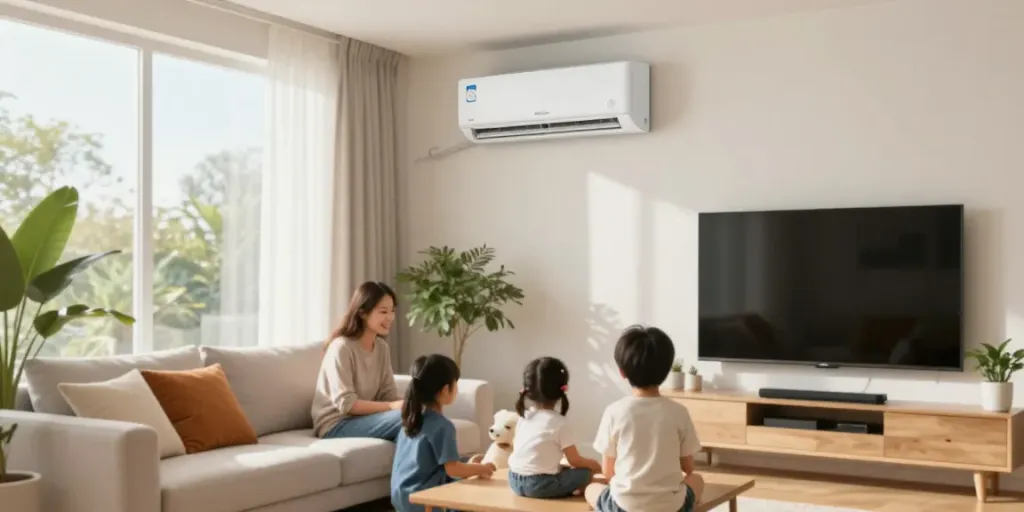
- Indoor Units: Install units high on interior walls for optimal airflow and temperature distribution. Avoid locations that may impede airflow, such as corners or behind furniture.
- Outdoor Units: Position the outdoor unit in a shaded area to enhance performance and reduce energy consumption. Ensure it’s easy to access for maintenance and away from obstructions.
Professional Installation vs. DIY Options
While some homeowners may consider installing mini split systems themselves, hiring professionals is often recommended.
- Expertise: Professional installers have the know-how to set up the system efficiently and ensure it meets local building codes.
- Warranty Protection: Many manufacturers require professional installation for warranty validation, making it a safer investment.
Understanding Installation Costs and Factors
The cost of installing a mini split system can vary widely, influenced by several factors:
- Unit Quality: High-quality systems, such as those from reputable brands, may cost more upfront but offer better efficiency and reliability.
- Complexity of Installation: The more units you need and the complexity of the installation will influence labor costs significantly.
- Location: Costs can vary by geographical location and the local demand for HVAC services.
Operating Efficiency of Mini Split 18000 BTU Units
Operational efficiency is vital for long-term satisfaction with your mini split system. Understanding how these systems work will help you get the most out of your investment.
Seasonal Efficiency Ratings Explained
SEER ratings are critical indicators of a unit's efficiency. The higher the SEER rating, the more efficient the unit. Most 18000 BTU mini split systems have SEER ratings ranging from 16 to 24, which is significantly higher than traditional systems.
How to Optimize Performance Year-Round
To maintain optimal performance throughout the year, consider the following strategies:
- Regular Maintenance: Clean or replace filters regularly for improved airflow and efficiency.
- Smart Controls: Utilize programmable settings or smart home integration to optimize your heating and cooling based on daily routines.
Common Misconceptions About Mini Split Systems
Despite their advantages, there are several common misconceptions about mini split systems that potential buyers should be aware of:
- Noisy Operation: Many people believe mini splits are loud; however, modern units are designed for quiet operation.
- Only for Small Spaces: While they are commonly used in smaller areas, 18000 BTU models are ideal for larger spaces as well.
Maintenance Tips for Longevity of Your Mini Split System
Proper maintenance is crucial to ensuring the longevity and efficiency of your mini split system. Here are some essential tips:
Essential Regular Maintenance Practices
Routine maintenance can prevent common problems and extend the life of your system:
- Clean the Filters: Check and clean the filters every month, especially during high-use seasons.
- Inspect the Drain Line: Regularly check the condensate drain line for blockages to prevent water damage.
Signs Your Mini Split Needs Service
Be aware of any unusual signs that may indicate your system needs professional service:
- Unusual Sounds: Any grinding or banging noises could signify mechanical issues.
- Insufficient Cooling/Heating: If the unit does not effectively cool or heat, it may require professional inspection.
DIY vs. Professional Maintenance Services
While some maintenance tasks can be done by homeowners, others require professional expertise:
- DIY Tasks: Clean filters and check the outdoor unit for debris.
- Professional Tasks: Annual refrigerant checks and electrical component inspection should be handled by certified technicians.
Future Trends in Mini Split Technology for 2026
The HVAC industry continues to evolve, and mini split systems are no exception. Here’s what to expect in the coming years:
Smart Home Integration and Automation
As smart home technologies advance, look for mini split units that offer seamless integration with home automation systems, allowing for remote control and monitoring.
Innovations in Energy Efficiency Standards
Future models will likely adhere to even stricter energy efficiency standards, resulting in lower operational costs for homeowners.
Predicted Market Growth and Consumer Preferences
With increasing awareness of energy conservation and sustainability, the demand for mini split systems is expected to grow, leading to more innovation in design and functionality.
What is the optimal room size for a mini split 18000 BTU?
Typically, a mini split 18000 BTU is suitable for spaces between 550 to 1,000 square feet, making it ideal for larger bedrooms, living rooms, and open areas.
Can I install a mini split 18000 BTU myself?
While DIY installation is possible, it’s best to hire a professional to ensure the system is set up correctly and operates efficiently.
What are the energy costs associated with running a mini split?
Operational costs vary based on local electricity rates and usage patterns, but users can expect lower energy bills compared to traditional systems due to the efficiency of mini split technology.
How does a mini split compare to traditional HVAC systems?
Mini splits often provide better energy efficiency, individual room control, and lower installation costs compared to traditional ducted HVAC systems.
What maintenance is needed for a mini split system?
Routine tasks include cleaning filters, checking coolant levels, and scheduling annual professional maintenance checks to ensure optimal performance.