
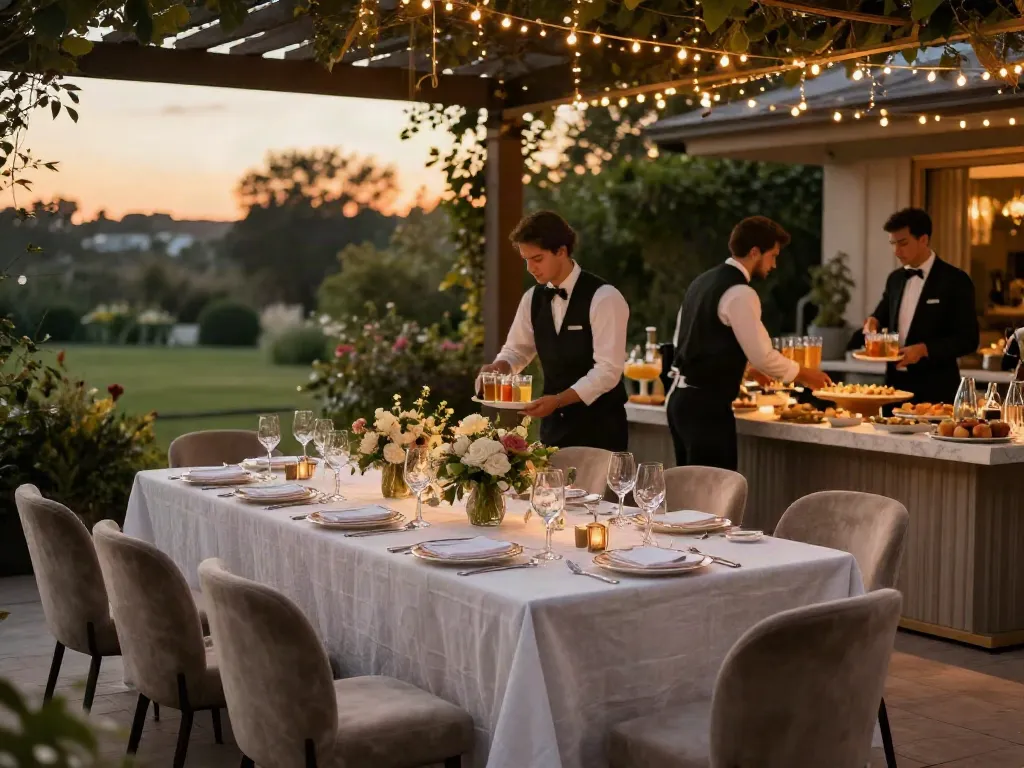
Understanding the Event Rentals Landscape
In today's fast-paced world, the demand for Event rentals has surged, driven by a growing emphasis on experiential engagements. Event rentals encompass a wide array of products and services designed to enhance gatherings—from weddings and corporate events to festivals and private parties. Understanding the nuances of this industry is crucial for both event planners and attendees, ensuring that every occasion is memorable and seamlessly executed.
What Are Event Rentals and Their Importance?
Event rentals involve the provision of necessary equipment and services for various types of events. These can include tents, tables, chairs, lighting, audiovisual equipment, and decor items, among others. The importance of event rentals lies in their ability to provide solutions tailored to diverse needs, allowing planners to focus on the creative aspects of their events while professionals handle logistics and setup. This efficiency not only enhances the overall guest experience but also significantly impacts the success of the event itself.
Popular Types of Event Rentals in 2026
The event rental industry has evolved, accommodating a broad range of needs and preferences. Some of the most popular types of event rentals in 2026 include:
- Tents: Essential for outdoor events, tents provide shelter while enhancing aesthetic appeal with various styles and configurations.
- Furniture: Tables, chairs, and lounge furniture are rented to create comfortable and stylish seating arrangements.
- Draping and Linens: These add elegance and transform spaces, making them ideal for weddings and formal gatherings.
- Audio-Visual Equipment: This category includes projectors, screens, microphones, and sound systems that are vital for presentations and entertainment.
- Lighting: Strategic lighting can dramatically alter the atmosphere of an event, from mood-setting soft lights to vibrant party lights.
Key Trends Influencing the Event Rentals Market
As we move through 2026, several trends are reshaping the event rental landscape:
- Sustainability: More planners are seeking eco-friendly options, prompting rental companies to offer sustainable materials and practices.
- Customization: Personalized experiences are becoming a priority, leading to tailored rental packages that meet specific client needs.
- Technology Integration: The use of apps and online platforms for selecting and managing rentals is on the rise, providing convenience for planners.
- Health and Safety: Post-pandemic considerations continue to play a role in how events are organized, influencing the choice of rental providers who prioritize safety.
Identifying Your Audience for Event Rentals
Understanding your audience is a critical step in the event rental process. Identifying who will be attending the event and what their expectations are can guide the selection of rentals.
Understanding User Intent When Searching for Event Rentals
When users search for event rentals, they often fall into specific categories based on their intent. Common intents include:
- Planning an event: Users looking for a range of services and equipment.
- Budgeting: Clients searching for affordable options or packages that suit their financial constraints.
- Quality assurance: Individuals who prioritize high-quality rentals to ensure a successful event.
Defining Your Target Audience's Needs and Preferences
Different events cater to varied demographics, including corporate professionals, couples planning weddings, and families organizing parties. Understanding the unique preferences of each group enables rental providers to offer personalized services, enhancing customer satisfaction and loyalty.
Common Challenges Faced by Event Planners
Event planners often encounter numerous challenges in the rental process, such as:
- Availability: Popular rentals may be booked well in advance, necessitating early planning.
- Budget Constraints: Balancing quality and cost can be a delicate task for planners.
- Logistical Issues: Coordinating delivery and setup times can lead to last-minute adjustments and stress.
Strategies for Choosing the Right Event Rentals
Selecting the right event rentals involves careful consideration of various factors, including quality, service, and reputation of rental providers.
How to Select High-Quality Equipment and Services
To ensure an event's success, it's crucial to choose high-quality rentals. Here are some tips:
- Research and Reviews: Investigate potential rental companies by reading reviews and testimonials from past clients.
- Visit Showrooms: Experience products first-hand to assess quality before making a decision.
- Ask Questions: Inquire about maintenance and cleanliness standards of the rental items.
Best Practices for Comparing Event Rentals Providers
When comparing rental providers, consider these best practices:
- Request Quotes: Obtain detailed quotes from multiple providers to understand pricing and included services.
- Evaluate Contracts: Review the terms and conditions carefully, ensuring clarity on cancellation policies and responsibilities.
- Check Availability: Confirm that the desired rentals are available on your event date before making a commitment.
Understanding Additional Services Provided by Event Rentals
Many rental companies offer additional services that can enhance the overall experience, such as:
- Setup and Teardown: Some providers include labor for setting up and dismantling equipment.
- Delivery Logistics: Understanding how and when your rentals will be delivered can alleviate stress on event day.
- Consultation Services: Expert advice on design and layout can be invaluable to planners.
Measuring Success in Event Rentals
Evaluating the effectiveness of event rentals is essential for continual improvement and offering exceptional service.
Key Performance Indicators for Event Rentals
To measure success in the event rentals space, track the following key performance indicators (KPIs):
- Customer Satisfaction: Use surveys and feedback forms to gauge client satisfaction post-event.
- Repeat Business: Monitor the rate at which clients return for additional rentals.
- Revenue Growth: Analyze booking trends and overall revenue to assess the financial health of the rental business.
Tools and Techniques to Track Event Rentals Effectiveness
Utilizing technology can streamline the process of evaluating rental effectiveness:
- Project Management Software: Tools like Trello or Asana can help organize tasks and track the status of rental orders.
- CRM Systems: Customer relationship management systems can aid in managing client interactions and feedback.
- Financial Analytics Tools: Software that segments revenue streams can identify patterns and improvement areas.
Real-World Examples of Successful Event Rentals Implementation
Case studies and examples of successful event rentals can provide valuable lessons. Here are a few:
- A Corporate Gala: A tech firm utilized customized lighting and modern furniture rentals to create an innovative atmosphere, resulting in rave reviews from attendees.
- A Wedding Extravaganza: A couple employed eco-friendly rentals for their wedding, emphasizing sustainability while receiving compliments on the aesthetic appeal.
- A Music Festival: By incorporating high-quality audio-visual equipment, an event organizer was able to enhance performances, leading to increased ticket sales for future events.
Future Trends and Predictions for Event Rentals
As the events industry evolves, staying informed about future trends is vital for success in event rentals.
Emerging Technologies in Event Rentals for 2026
Technological advancements continue to shape the event rental landscape:
- Virtual Reality: VR technology can offer clients virtual tours of rental setups, enhancing decision-making.
- Integrated App Solutions: Comprehensive apps that combine inventory management, booking, and payments are emerging as a go-to solution for planners.
- 3D Printing: Custom furniture and decor items can now be produced on-demand, providing unique solutions.
Anticipated Changes in Customer Expectations
As the market shifts, so do customer expectations:
- On-Demand Services: Customers are increasingly seeking instant access to rental options and booking.
- Personalized Experiences: Tailored packages that cater to specific themes and preferences are becoming the norm.
- Transparency: Clients expect clear pricing and terms without hidden fees.
Expert Insights into the Future of Event Rentals Industry
Industry experts predict several transformative changes in the event rentals market, such as:
- Collaboration with Event Planners: More rental companies will partner closely with planners to create holistic event solutions.
- Focus on Sustainability: The demand for greener practices will continue to influence rental decisions.
- Emphasis on Safety Protocols: Health and safety considerations will remain a priority in event planning.
What are the Best Practices for Sustainable Event Rentals?
With sustainability taking center stage, rental companies can adopt best practices, including:
- Using Eco-Friendly Materials: Prioritize rentals made from sustainable sources.
- Implementing Reuse Practices: Encourage clients to rent instead of purchase, reducing waste.
- Educating Clients: Provide information on the environmental impact of events and how rentals can mitigate it.
How to Stay Competitive in the Evolving Event Rentals Market?
To maintain a competitive edge, rental providers should:
- Invest in Technology: Utilize platforms that enhance customer experiences and streamline operations.
- Adapt to Trends: Stay informed about industry trends and adapt offerings accordingly.
- Foster Relationships: Build strong connections with clients and event planners to ensure loyalty and repeated business.
